Take a self drive to any country with car hire 4×4 drive.
HIRE A SAFARI 4x4 VEHICLE.
QUALITY SELF DRIVE SAFARI TOURS
PLAN YOUR ROADTRIP.
HIRE AN EXPERT DRIVER.
2026 Visit East Africa
Welcome to Car Hire 4×4 Drive — Pick your self-drive destination in East Africa
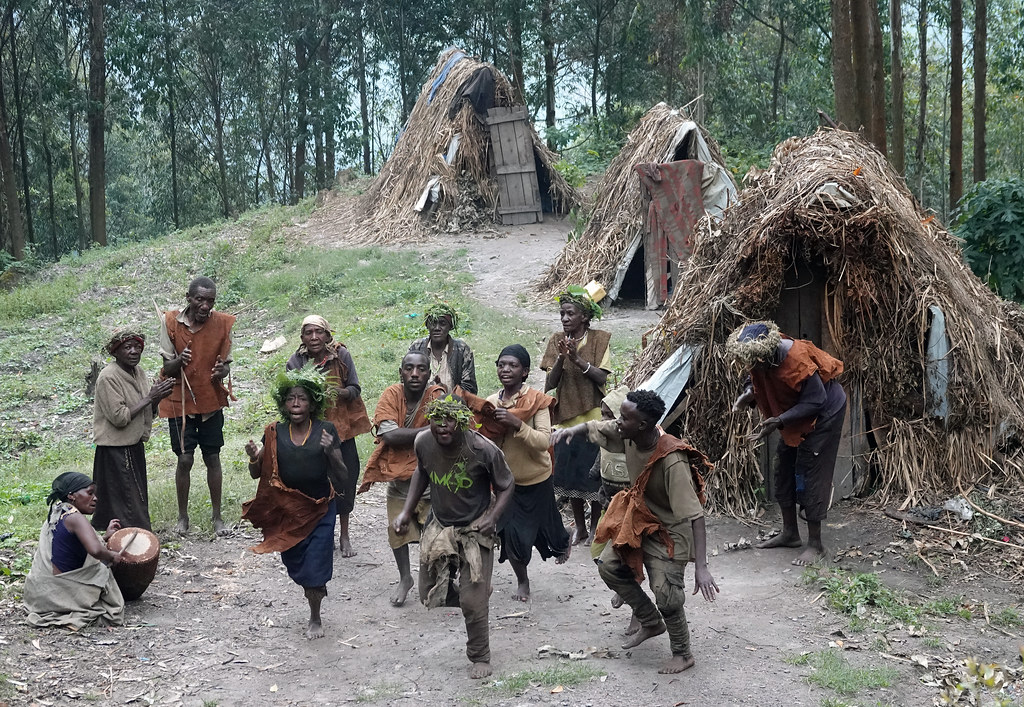
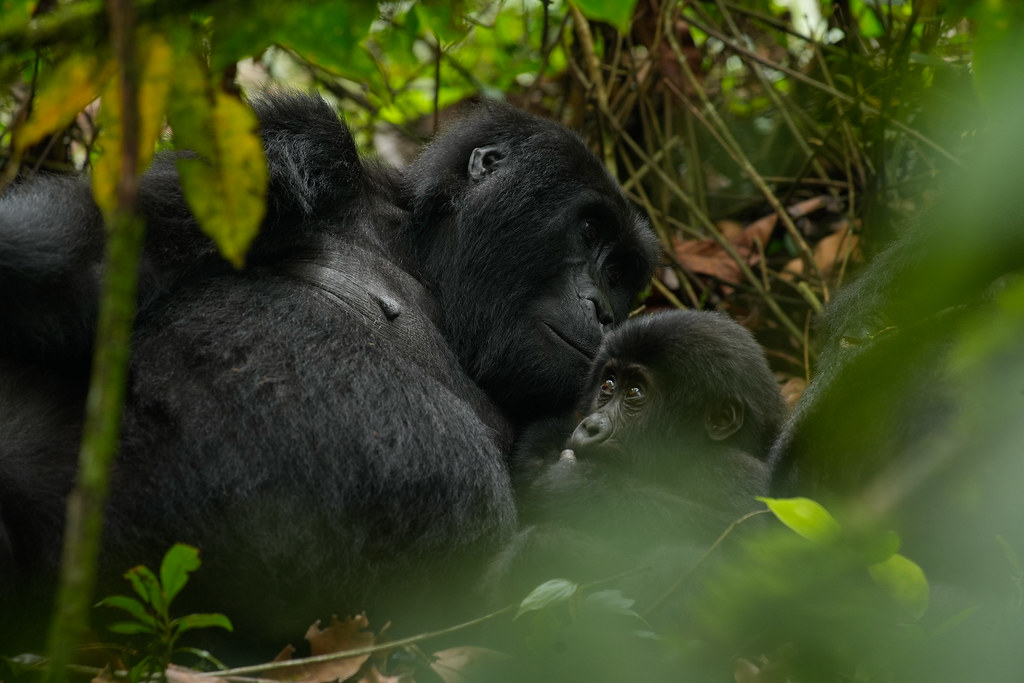
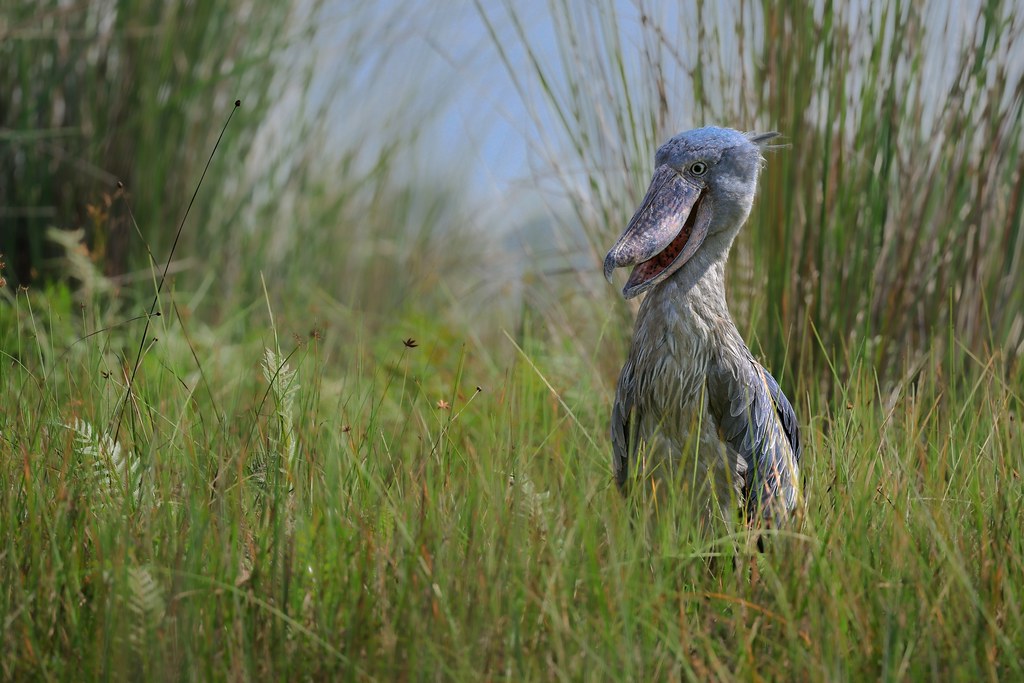
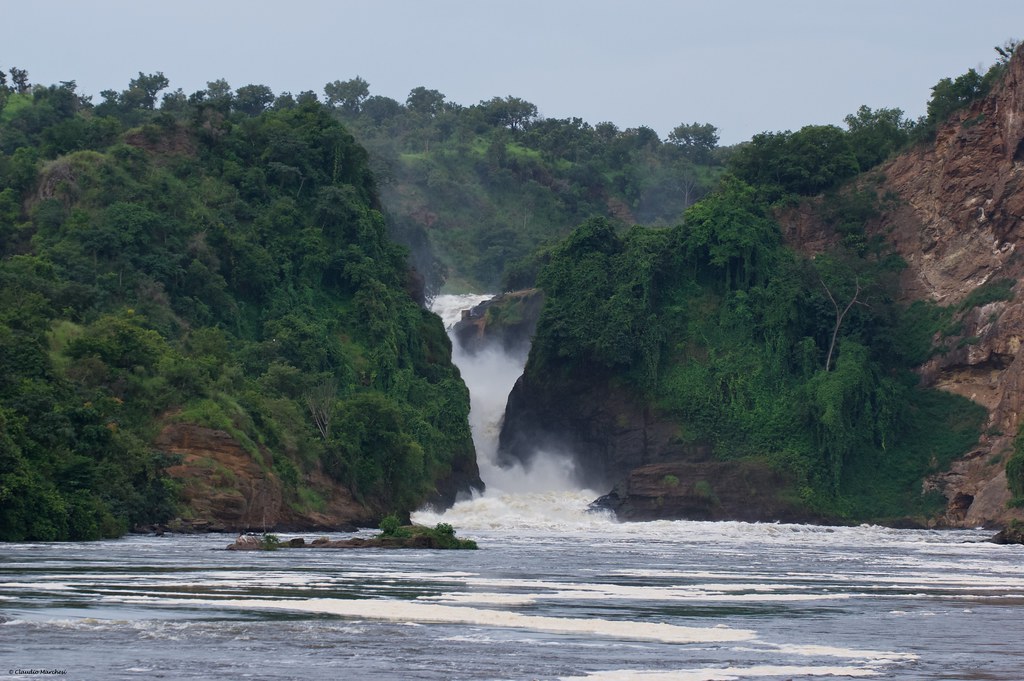
Uganda
Explore Uganda on an unforgettable self-drive adventure through breathtaking landscapes, incredible wildlife, vibrant cultures, and iconic safari destinations. From gorilla trekking to the mighty Nile, every journey offers a new experience.
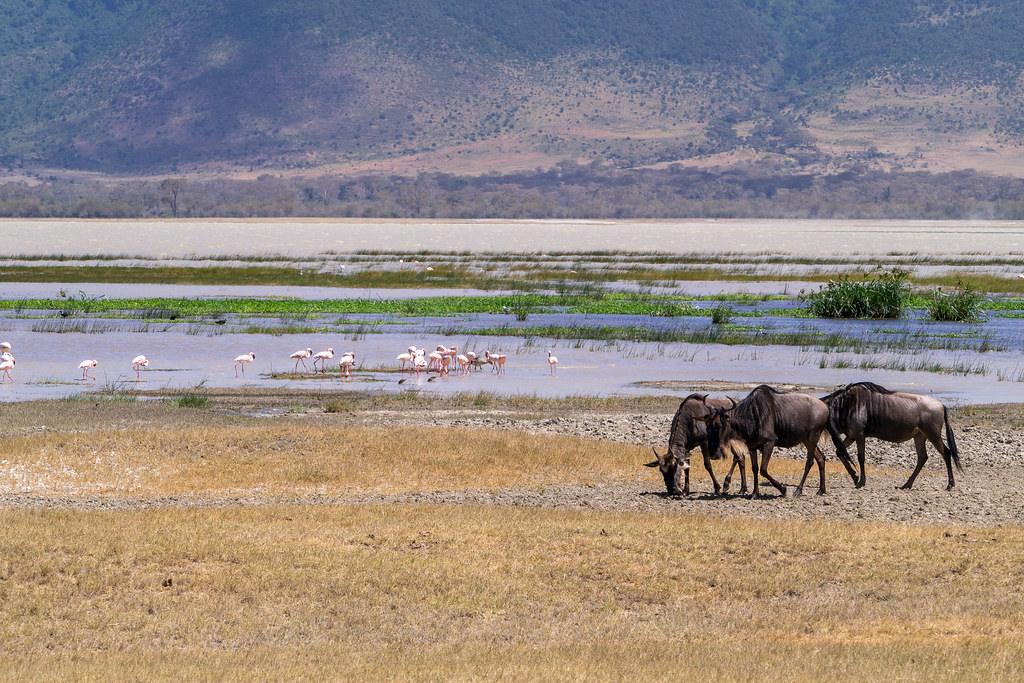
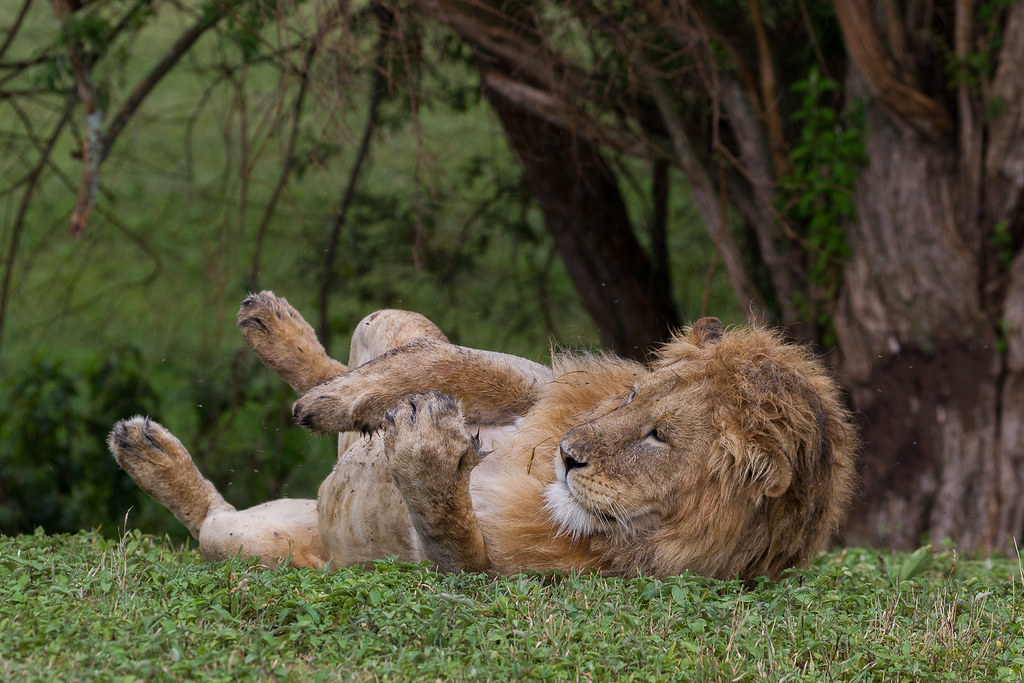
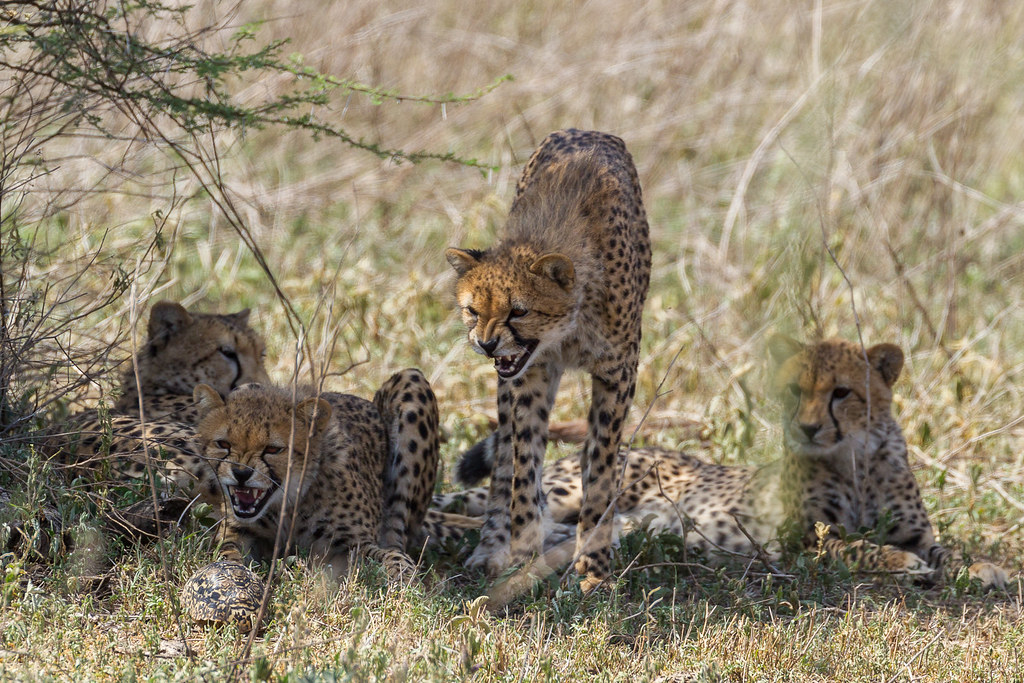
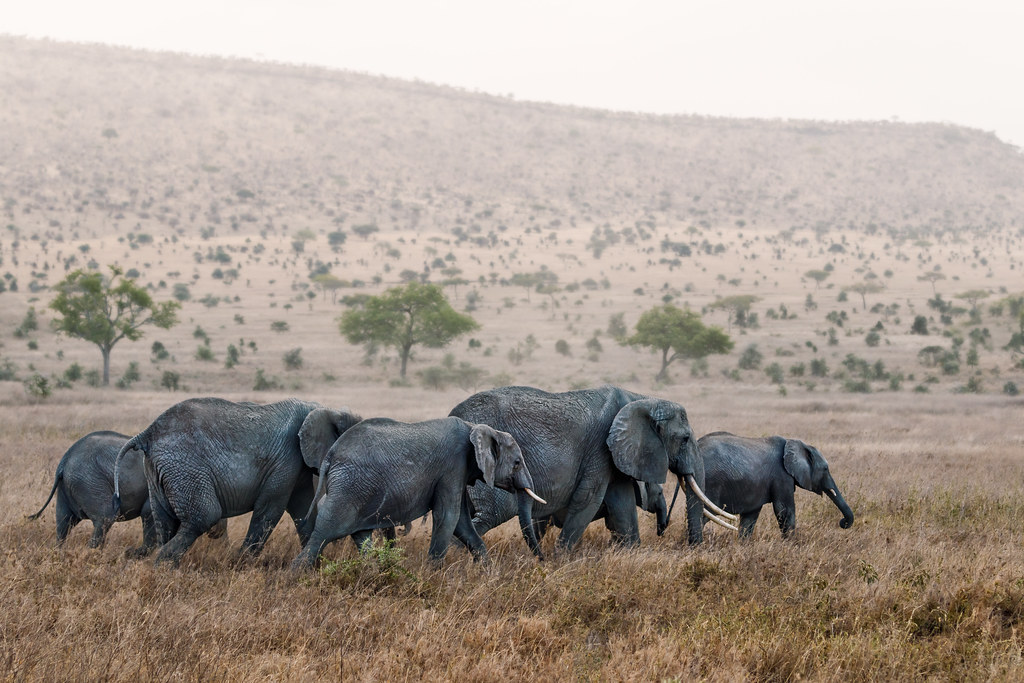
Tanzania
Kenya
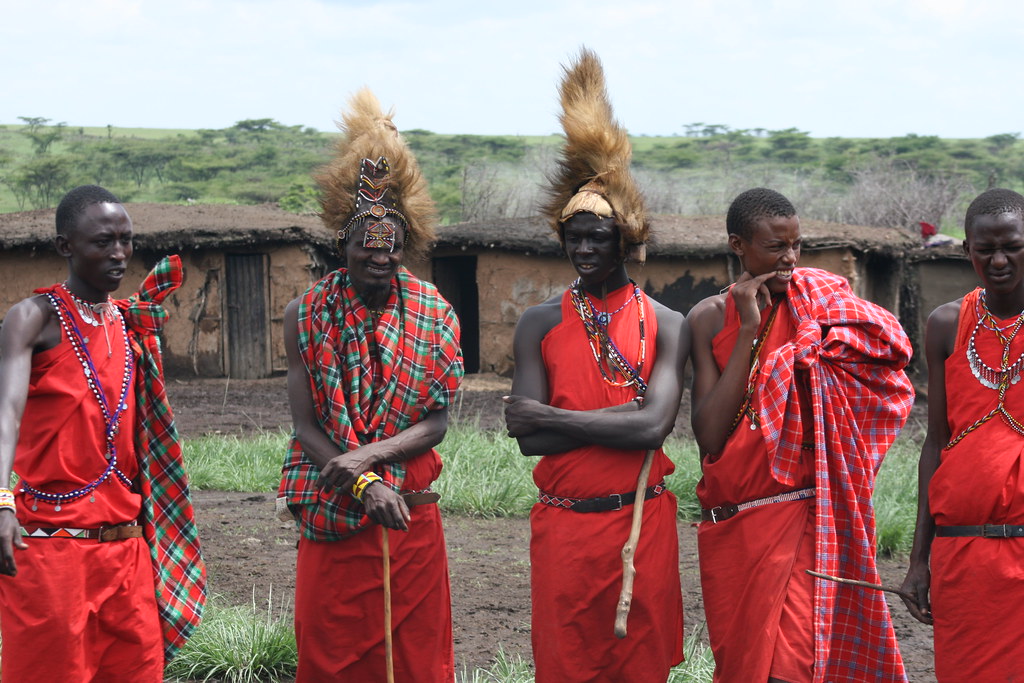
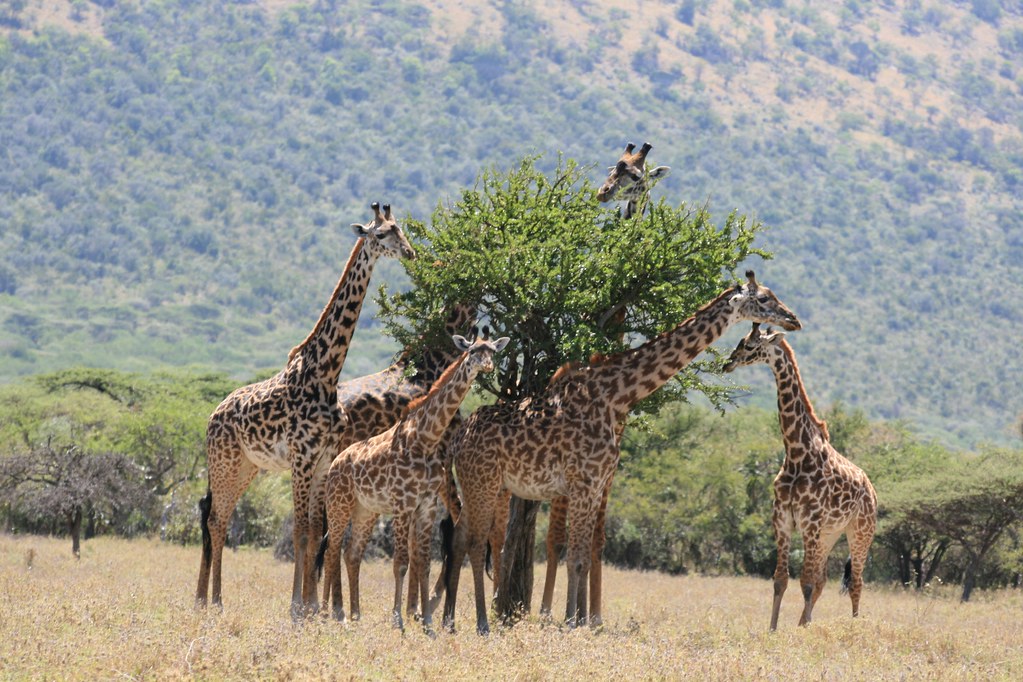
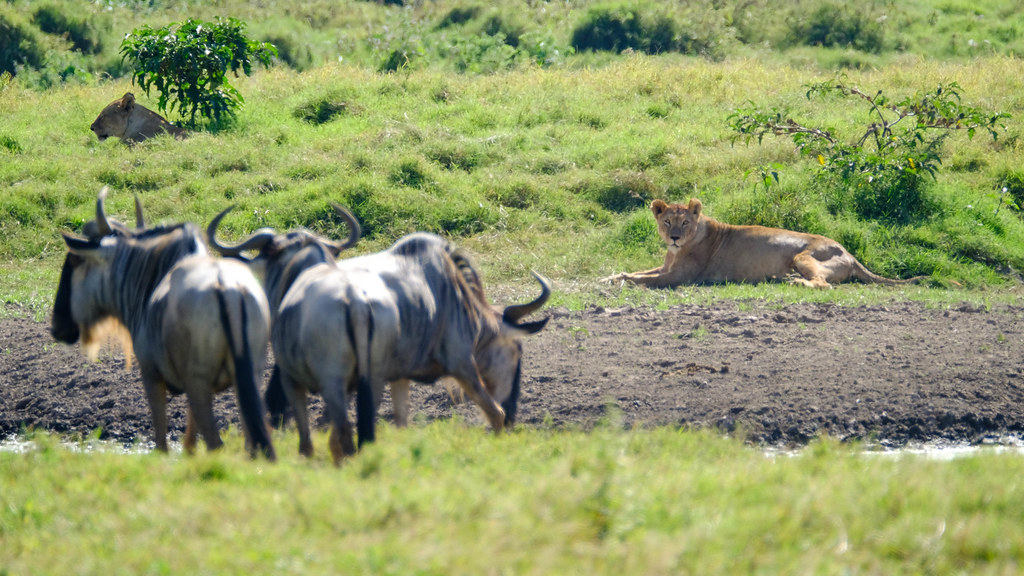
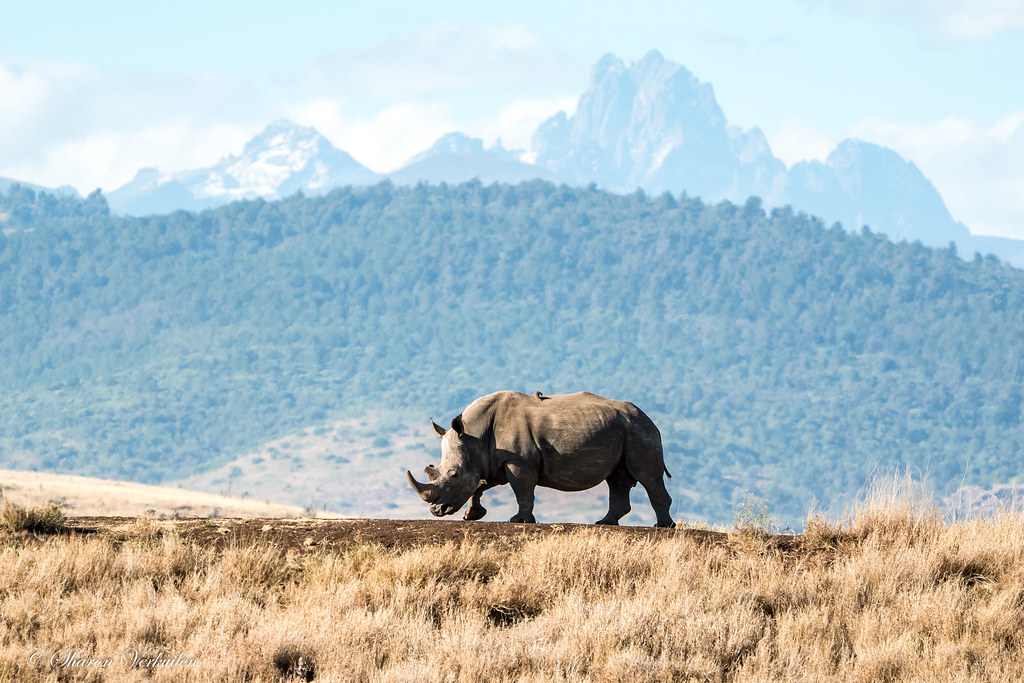
Embark on a self-drive adventure through Kenya’s iconic wildlife parks, scenic landscapes, vibrant cultures, and beautiful Indian Ocean coast. Experience unforgettable safaris, breathtaking scenery, and relaxing tropical beaches.
Explore Africa with confidence in a reliable 4x4 rental from Car Hire 4x4 Drive Africa. We provide well-maintained safari vehicles, SUVs, and expedition-ready 4x4s for self-drive holidays, guided safaris, cross-border road trips, camping adventures, and business travel across East and Southern Africa.
Choose Your Vehicle
1.
Select the ideal 4×4 based on your destination, travel dates, group size, and safari plans.
Confirm Your Booking
2.
Receive a personalized quote, confirm your reservation, and complete the booking details.
Pick Up & Explore
3.
Collect your vehicle or arrange delivery, then begin your African self-drive adventure.
Our Fleet: Select Your Vehicle For Self Drive Africa
180
Our 4×4 camper rental rates include everything you need for a comfortable self-drive adventure. Every vehicle comes equipped with a rooftop tent, essential camping gear, a spare tire, 24/7 roadside assistance, and vehicle replacement support, giving you peace of mind as you explore Africa’s most remote destinations.
Best 4×4 Camper Vehicle Rental Prices
Are you a camper? Contact Us

Land Cruiser TX
Pick Safari 4×4 Vehicle
Land Cruiser With Roof Top Tent
Team Lead
Land Cruiser With Roof Top Tent
Team Lead
Land Cruiser With Roof Top Tent
Team Lead
Land Cruiser With Roof Top Tent
Team Lead
Land Cruiser With Roof Top Tent
Team Lead
Contract Booking Vehicles
Long Term Car Rental
Enjoy flexible long-term 4×4 rentals with competitive rates, reliable vehicles, and hassle-free service for extended travel or business.
• New Certification
Event Car hire Experiences
Corporate & NGO Car Hire
Reliable vehicle rental solutions for businesses, NGOs, and organizations, with flexible plans and dependable 4x4s for every mission.
• Slack Champion
Seamless Self Drive Trips
Car with Driver Hire
Travel comfortably with a professional driver, whether for business trips, safaris, airport transfers, or private tours across Africa.
• 4 Year Milestone
The Complete Guide to Self-Drive 4×4 Hire in Uganda & East Africa
Uganda is one of the best countries in Africa for a self-drive adventure. Good tarmac connects the capital to most regional hubs, the murram roads into the national parks are manageable in a proper 4×4, distances between parks are short compared to other safari countries, and the wildlife, forests, lakes, and mountains along the way make every drive part of the experience. This guide covers everything you need to plan a self-drive 4×4 trip — from choosing a vehicle to driving safely once you’re on the road.
Why Self-Drive Instead of a Guided Safari
A guided safari puts you in the back seat of someone else’s schedule. Self-driving means you set the pace, stopping for photos, lingering at a viewpoint, or pushing on to make a sunset game drive. It also tends to save money on longer trips — vehicle hire is often cheaper than a full guided package once you’re traveling for a week or more, especially in a group. Many travelers also say navigating the roads themselves, reading the terrain, and making their own calls is part of what makes the trip memorable, and it opens up full flexibility on stops — craft markets, roadside viewpoints, small towns — anything you want to pull over for.
The trade-off is that you take on the driving, route-planning, and vehicle troubleshooting yourself — which is exactly what a good hire company should help you prepare for.
Choosing the Right Vehicle
Not every 4×4 is suited to every route. A RAV4 or similar compact SUV works well for shorter trips on better roads, such as Lake Mburo, the Entebbe area, or parts of Queen Elizabeth National Park. A Land Cruiser Prado is the most popular middle-ground choice — comfortable, capable on murram, and a good fit for families or two couples traveling together. A full Land Cruiser (extended/TX) suits longer overland routes, larger groups, or trips into more remote parks like Kidepo Valley. A Hilux Double Cab 4×4 is a strong choice if you’re carrying camping gear or traveling with a rooftop tent.
Always confirm ground clearance, whether the vehicle has a manual or automatic gearbox, and whether a spare tyre (or two) and recovery gear are included.
What You Need Before You Drive
You’ll need a valid driver’s license from your home country, or an International Driving Permit — check current requirements with your hire company before travel. You should also have a signed rental agreement outlining insurance coverage, deposit terms, and what happens in case of breakdown or accident, along with a road map or offline GPS app, since mobile signal drops in and around several national parks. Cash in local currency is worth carrying too, for park fees, fuel in remote areas, and small tolls, since card payment isn’t reliable outside major towns.
Planning Your Route
A few things make Uganda self-drive route planning different from other countries. Distances are short — most park-to-park drives are 3–6 hours, so you can build a loop covering several parks in 10–14 days without rushing. Road conditions vary by season, with murram roads becoming slippery and prone to washing out in the rainy seasons (March–May and September–November); a 4×4 with good clearance handles this, but plan extra time. Fuel stations also thin out past major towns, so it’s worth filling up whenever you pass a station and carrying a jerry can as backup on remote stretches like the road to Kidepo.
Popular Self-Drive Loops
Classic Western Loop (7–10 days): Kampala → Lake Mburo → Bwindi (gorilla trekking) → Queen Elizabeth National Park → Kibale (chimp trekking) → Kampala.
Nile & Falls Route (4–6 days): Kampala → Murchison Falls National Park (boat cruise, top-of-the-falls hike) → back via Ziwa Rhino Sanctuary.
Remote North (10+ days, experienced drivers): Kampala → Murchison Falls → Kidepo Valley National Park → return. Longer, rougher, and best suited to a full Land Cruiser.
Driving Tips for Uganda’s Roads
Uganda drives on the left, so keep that in mind from the moment you pick up the vehicle. Watch for pedestrians, cyclists, and boda-bodas (motorcycle taxis) at all times, especially through towns and trading centers, and slow down on murram roads — washboard sections and sudden potholes are the main cause of vehicle damage on hire. It’s best to avoid night driving outside towns where possible, since unlit roads, animals crossing, and poor visibility make it riskier, and you should only cross rivers or flooded sections if you’re sure of the depth — when in doubt, wait or find an alternate route. Keep your park entry permits and vehicle documents on hand, since you’ll need them at ranger checkpoints.
Packing for a Self-Drive Trip
Worth having in the vehicle: a rooftop tent or camping gear (if not already fitted), a cooler box and extra water, a first aid kit, a head torch or flashlight, insect repellent and sunscreen, printed or downloaded offline maps, and spare cash in small denominations for park fees and fuel.
What to Do if Something Goes Wrong
A reputable hire company should provide 24/7 phone support in case of breakdown, accident, or getting lost, a replacement vehicle policy for major mechanical issues, and clear instructions on what to do at a checkpoint, in an accident, or if you’re stopped by traffic police. Always save your hire company’s emergency number in your phone before you leave, and keep a paper copy in the glovebox as backup.
Need to Cross Borders or Have Questions?
Planning to drive across African borders? We’ll help you with cross-border permits, insurance, and driver’s licence requirements, ensuring you’re ready for a smooth journey. Contact us today.
We love to provide safe and quality self drive experiences. See our video..
Featured Headlines
Check out the latest news from around the world
Uganda Fort Portal: Gateway to Kibale, Rwenzori Mountains and Crater Lakes
Uganda Fort Portal: Gateway to Kibale, Rwenzori Mountains and Crater Lakes
Masai Mara Private Conservancies: Olare Motorogi, Mara North and Off-Road Driving
Masai Mara Private Conservancies: Olare Motorogi, Mara North and Off-Road Driving
Practical Money Guide for East Africa Safari: Currency, ATMs and Tipping
Practical Money Guide for East Africa Safari: Currency, ATMs and Tipping
Tanzania Selous Game Reserve: Africa’s Largest Wildlife Reserve by Boat Safari
Tanzania Selous Game Reserve: Africa’s Largest Wildlife Reserve by Boat Safari
Uganda and Rwanda Comparison: Which Safari is Right for You?
Uganda and Rwanda Comparison: Which Safari is Right for You?
 Do you believe in Road trips?